Mentoring is guiding, teaching, coaching and counseling others, particularly young and emerging leaders. Serving in this capacity is generally reserved for those who display maturity, wisdom and real-life experience with the time and skill to effectively pass it on to others.
The purpose of this exercise is to explore your personal history, to better understand its influences on your life and your leadership thus far.
As you reflect, identify not only the situations or circumstances, but also the underlying values that shaped you. This approach will create a context for moving forward on your purposeful living journey.
In this issue, you’ll find: An introduction to our new website, In the Works – highlights of upcoming programs, Exemplary Leader – Lynn Blake, author and advocate for heart health and Inside First, Principle of the Month – Learning
The Spiritual Path of Purpose is a journal intended to inspire your thoughts about the important process of finding and experiencing a purposeful life. The fifty-three chapters suggest a week-by-week exercise to expose significant quotations, what they imply to me, and to encourage your response through a series of questions.
This guidebook was created to help everyone grasp the value of the dialogue process and to learn how to put it to effective use. It covers what dialogue really is, how it works, when to use it and how it compares with our more common ways of communicating. This guide will also provide a kind of a “starter kit” to get you going.
But dialogue by itself may not be enough. Experience has shown that people want to see some action coming out of dialogue. Just reaching a new level of understanding often begs the question –“what should we be doing about this?” For many people, this question moves them into the action mode.
While several people could be acknowledged for their contributions to this thinking, Suzanne Maxwell, stands out. Her guidance and leadership in promoting and using dialogue has been invaluable!
West Point, the United States Army’s Military Academy, is possibly the best leadership development institution in
the world. It has produced a remarkable list of leaders from US presidents and military heroes, to CEOs, and astronauts.
Who better to tell the leadership lessons learned there than Larry Donnithorne, a graduate and a thirteen-year faculty member at West Point, who was asked by the Academy’s superintendent to write a book about West Point’s process of leadership development? The result was The West Point Way of Leadership.
This article captures the essence of that book, of which the Harvard Business Review concluded, “The West Point model of leadership is a fascinating and insightful one, one that Donnithorne presents modestly, carefully, and convincingly....The philosophy that underlies is based on moral principle, timeless values, and the leader’s selfless commitment to others.”
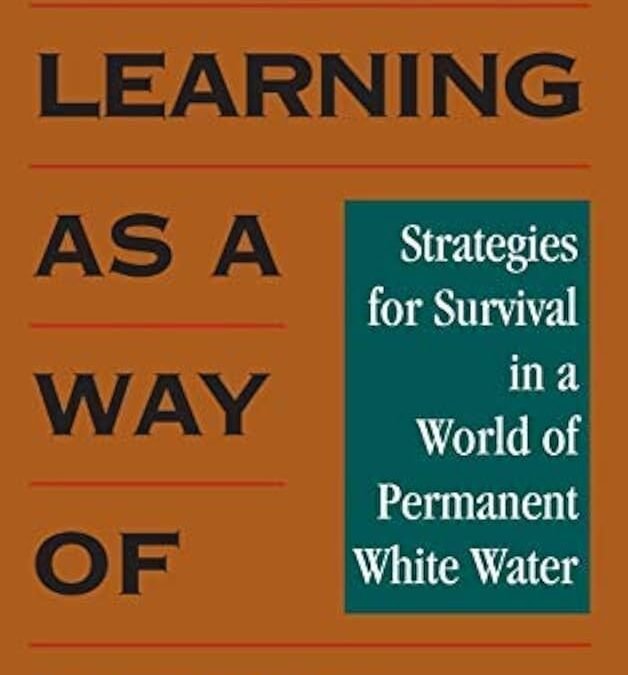
The turbulence in our culture, in our organizations and in our lives represents one of leadership’s greatest challenges. Peter Vaill uses the metaphor of “permanent white water” to describe the pace, confusion, and the jarring reality of change brought on by technology. He makes the case that an attitude of continual learning is the best strategy in these complex, unpredictable systems-driven environments.
The human drive to connect with something larger than the self; the process of honoring a higher principle, purpose, or idea; practices that sustain inner life; perhaps an orientation to a sacred or higher power, not necessarily aligned with a religion
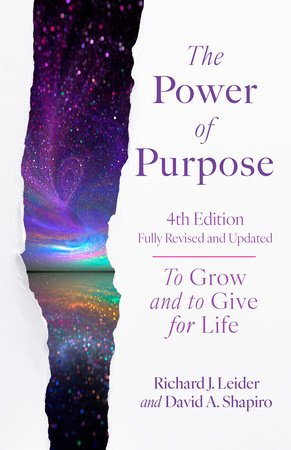
Richard Leider’s book is a comprehensive guide to purpose, why it’s important in today’s fast-paced world, and how to identify it. Leider argues that American culture has become enslaved to an ethic of “more-better-faster” and is losing touch with the capacity for reflection and silence. He claims our modern technologies are actively isolating us from one another. High-tech is hijacking the high-touch.
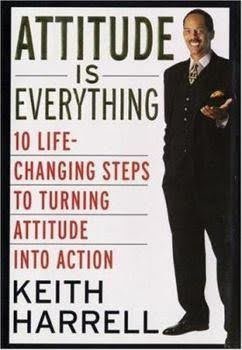
A positive attitude affects everything in your life; putting this idea into action is the focus of this book. Harrell reminds us ways that changing your thinking can change your beliefs, which in turn can change your actions, and your destiny.